
In the world of search engine optimization (SEO), learning how to create quality backlinks is one of the most important skills you can develop. Quality backlinks help improve your website’s visibility and ranking in search results. Building links is still key for any website wanting to rank on Google’s first page. Many aspects of SEO change quickly, but this remains constant. When we talk about a backlink, we are talking about a “digital handshake” between two websites. It is a way for one site to tell search engines that another site has good information.
Google has always been very clear: they want to see natural growth. You should earn backlinks because your content is good, not because you paid for them. Since the Link Spam Update at the end of 2022, Google’s AI has become very smart at finding “fake” or artificial links. If you try to game the system by buying links, your website might get in trouble. True link building means obtaining links through honest and fair practices. This is the only way to achieve perfection. Do it yourself or hire an SEO Link Building Service. Either way, get high-quality backlinks. They signal trust and authority.
How Do Backlinks Actually Work?
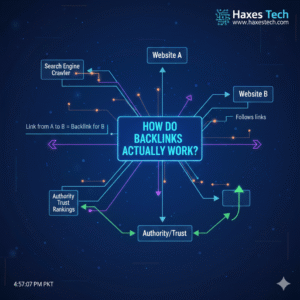
Think of backlinks as a conversation. If a blogger writes an article and finds a great idea on your webpage, they link to you. This tells search engines like Google and Bing that your site is a helpful source of information. In my experience, having a few high-quality links is better. It’s more effective than having thousands of low-quality ones. Quality over quantity is what really moves your rankings higher.
To attract visitors, your links must be topically relevant. This means if your website is about cooking, a link from a food blog is great. But a link from a car repair shop wouldn’t make much sense. This foundation is key to any SEO strategy. When you have good links, you get more traffic from places like Facebook, X, Email, LinkedIn, and Reddit. Every time you get a new inbound link, it is a win-win. Your brand gets more visibility. The other site shares great content with its readers.
Why Backlinks Help Your SEO
Google uses a special math formula called an algorithm to decide which websites should be at the top. Backlinks are like “votes of confidence.” Every link tells the search engine, “This content is valuable, credible, and useful.” This is how you climb the search engine results pages (SERP) for the words people are searching for.
Gaining authority is like building a reputation. To be seen as a leader, get links from authoritative sites. Trusted sources include .gov or .edu domains and top industry sites. These authentic links show that you are a trusted voice in your vocation.
The Two Main Types of Backlinks
Before you start, you need to understand the technical side. There are two labels used for links: Dofollow and Nofollow.
- Dofollow Links: These are the ones you desire most. A dofollow link tells Google to “pass value” from the other site to yours. It helps your search rank and makes you more visible to people online.
- Nofollow Links: These tags tell search engines not to count the links as a vote. They created them to stop people from spamming comments on blogs. They won’t directly boost your rank, but they help new customers notice your brand.
You must always avoid “dubious sites” or suspicious websites. If you get links from bad sources, Google might punish your site. This can mean “penalising” or even “de-indexing.” If that happens, your site won’t show up in search results at all.
Using Advanced Link Building Techniques
To achieve significant success, you need to use Advanced Link Building Techniques. This sounds fancy, but it means using smarter ways to get people to link to you.
1. Outreach and Pitching
The best and oldest method is to engage in conversation with people. This is called outreach. You find relevant websites in your industry and send them a pitch. But don’t email everyone. You should do a “website audit” first. Look at things like Domain Authority, Website Age, and Website Structure. You want to make sure the site is clean and doesn’t use “black hat tactics” (sneaky tricks). Once you have a shortlist, send a friendly email that offers something of value. It should feel like a partnership, not a cold request.
2. The Broken Link Building Method
This is a very clever strategy. You look for “dead links” on popular websites. A dead link is a link that doesn’t work anymore. When you spot a broken link, reach out to the site owner. Say, “Hi! This link is broken, but I have a great article that I can use to replace it! You help them fix their site, and you get a backlink. It’s a win-win! It is minimal effort if you use a broken link checker tool.
3. Reclaim Unlinked Brand Mentions
Sometimes people talk about your brand or products on news sites or blogs but forget to add a link. We call these “online citations.” They mentioned you, so they likely like you! You can reach out and politely ask the author to make the mention “clickable.” This is a fast way to get quality backlinks that you have already earned.
4. Create Linkable Assets (The Skyscraper Technique)
There is a famous saying: “Content is King.” This is very true when you create a “Linkable Asset.” This is a piece of content so good that people want to share it. Infographics are great for this because they show a lot of information in one simple image.
A popular way to do this is the Skyscraper Technique. First, you find a popular article in your niche. Then, you write something that is even better, longer, and has more detail. Reach out to those who linked to the original article. Share your “superior” version with them. Because your content is better, many will be happy to link to you instead.
5. Be a Source for Reporters (HARO)
Reporters are always looking for experts to give them information for their articles. You can use a platform called HARO (Help A Reporter Out). You register as a source, and when a reporter needs help in your niche, you send them your insights. If they use your information, they usually give you a high-quality backlink from a big news site. This is a very legitimate way to build authority.
Learning from Your Competitors
You don’t have to guess what works. You can perform a competitor analysis. Look at the websites that are in the “Top 10” on Google. Use tools like SEMrush, Ahrefs, or Moz to see their backlink profile. You can “reverse-engineer” their tactics. This helps you find out which domains link to them. Then, you can try to get links from those same sites. This is a very efficient way to spend your time.
Checking Your Progress
To see if your work is paying off, use Google Search Console. It is a free account that lets you see your “External links” and “unique backlinks.” You can see which of your pages are the most popular and what words (anchors) people are using to link to you. Keeping an eye on these metrics helps you stay on the right path.
Tips for Long-Term Success
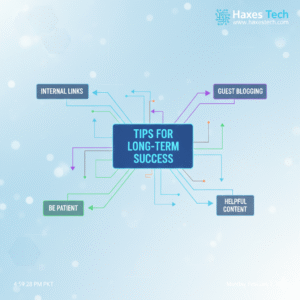
Building links is a timely process. It takes trial and error, but it is the best way to boost your expertise and credibility. Here are a few final “best practices”:
- Internal Links: Always link your own pages together. This helps visitors navigate your site and stay longer.
- Guest Blogging: Offer to write a blog post for another website. It increases your visibility and helps you reach new followers.
- Helpful Content: Always focus on being helpful. If your content is great, people will naturally want to link to it.
- Be Patient: Real SEO success doesn’t happen overnight. It is about building a legacy for your website.
By following this guide, you now know how to create quality backlinks that will last for years. Keep working hard, stay honest, and enjoy the process of growing your website.
Frequently Asked Questions
Q1. How to create quality backlinks for a new website?
Quality backlinks can be created by publishing helpful content, reaching out to relevant websites, guest blogging, and earning links naturally over time.
Q2. Why are quality backlinks important for SEO?
Quality backlinks act as trust signals for search engines and help improve rankings, website authority, and organic traffic.
Q3. How to create quality backlinks without risking Google penalties?
Focus on relevance, avoid spammy sites, and earn links through value-driven outreach instead of black-hat tactics.
Q4. How long does it take for quality backlinks to impact rankings?
Most quality backlinks start showing SEO impact within a few weeks to a few months, depending on competition and site authority.
Q5. Are quality backlinks better than a large number of links?
Yes, a few quality backlinks from trusted websites are far more effective than many low-quality or spam links.