
A professional technical seo site audit is the backbone of any successful SEO strategy. While many businesses focus heavily on content, keywords, and backlinks, real and sustainable growth begins with a technically sound foundation. Even the best content can fail to rank if search engines struggle to crawl, index, or understand your website. A comprehensive audit evaluates your site against Google’s strict technical guidelines, identifies hidden issues suppressing performance, and builds a clear roadmap toward higher visibility in search engine results pages (SERPs).
From crawlability and indexability to website speed and structured data, every technical layer influences how search engines interpret your site-and how users experience it.
Why Technical SEO Audits Are Critical
In my experience, brands rarely struggle because of weak content alone. More often, their website infrastructure is flawed. Slow loading times, broken links, improper redirects, duplicate content, or indexing errors quietly damage rankings and dilute authority.
Running technical SEO audits regularly helps flag errors early and ensures your site remains search engine-friendly. A professional technical seo site audit goes far beyond surface-level checks. It evaluates:
- Crawlability and indexing status
- Page speed and server response time
- Mobile usability and responsive design
- Canonicalization and duplicate content issues
- Structured data implementation
- Robots.txt configuration and XML sitemaps
These technical elements directly affect visibility, user experience, bounce rates, and long-term ranking stability.
Identifying Website Structure and Crawl Behavior
Every effective audit begins with evaluating website structure. A logically organized site with clean URL structures, intuitive navigation, accurate breadcrumbs, and consistent navigation menus creates a smooth experience for both users and search engine bots.
Strong internal linking distributes authority across relevant pages, while categories, tags, and silo structures reinforce topical relevance. A clear hierarchy ensures seamless exploration and helps bots efficiently crawl and index your content.
Advanced tools such as Screaming Frog SEO Spider, Ahrefs, and Semrush allow deeper analysis of:
- Indexed vs. non-indexed pages
- Broken links and 404 errors
- Faulty redirects
- Duplicate content
- JavaScript rendering issues
- Backlink profile insights
Comparing URL structures and analyzing crawled data ensures your on-page SEO aligns with ranking expectations.
On-Page Elements and Technical Precision
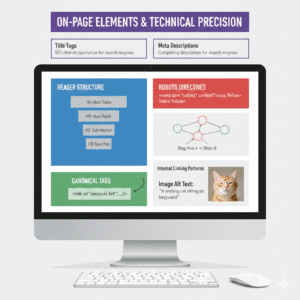
A clean indexing process depends on structured HTML markup and properly optimized on-page elements. During a professional technical seo site audit, I carefully review:
- Title tags and meta descriptions
- Header structure (H1, H2, etc.)
- Canonical tags
- Robots directives
- Internal linking patterns
- Image alt text
Clean, well-organized content structure helps search engine crawlers interpret relevance and hierarchy. Applying accurate meta tags, optimizing headlines, and avoiding keyword stuffing strengthens positioning while maintaining content quality and readability.
A thorough content audit also identifies thin content, grammar errors, and structural weaknesses. Quality writing, consistent tone of voice, and keyword alignment informed by organic search trends reinforce brand authority and trust.
Server Health, Speed, and Performance Optimization
Server performance issues can undo months of SEO progress. Downtime, accidental no-index directives, or blocked sections can wipe out rankings overnight.
An in-depth audit assesses:
- Server uptime and downtime
- Caching and browser caching
- File compression and code minimization
- Image optimization
- CDN configuration
- Hosting performance
Tools like Google PageSpeed Insights provide insight into load times and optimization opportunities, while analytics platforms such as Google Analytics and Google Search Console help monitor crawl data, indexing issues, traffic sources, and user behavior.
Improving load speed reduces bounce rates, enhances user satisfaction, and positively influences rankings.
Robots.txt and XML Sitemaps
Robots.txt files and XML sitemaps guide search engine crawlers through your site. Misconfigured directives can accidentally block critical pages or expose sensitive sections.
A seasoned technical SEO expert will:
- Review Disallow, Allow, and Crawl-delay directives
- Prevent indexing of private areas
- Ensure crucial pages remain accessible
- Maintain and update XML sitemaps
- Submit sitemaps through webmaster tools
Accurate sitemap management ensures bots efficiently process essential pages and adapt to site updates.

Mobile Optimization and Core Web Vitals
Today, mobile usability is non-negotiable. A mobile-friendly platform built on responsive web design improves accessibility across smartphones and tablets. Touch-friendly navigation, adaptive layouts, and faster loading create a seamless experience.
Performance measurement includes monitoring Core Web Vitals:
- Largest Contentful Paint (LCP)
- First Input Delay (FID)
- Cumulative Layout Shift (CLS)
Improving these metrics enhances engagement, visual stability, and long-term ranking performance.
Structured Data and Advanced Technical SEO
Structured data strengthens how search engines interpret and display your content. Implementing schema markup in HTML tags allows your pages to qualify for rich snippets, increasing click-through rates.
Using Google Structured Data Markup Helper, audits validate schema configurations such as:
- Article schema
- Product schema
- Review schema
Proper structured data improves enhanced visibility while supporting more accurate crawling and indexing.
Measuring Rankings and Ongoing Monitoring
Tracking keyword rankings across SERPs is essential for measuring progress. Tools like Moz Pro help monitor ranking changes and evaluate performance over time.
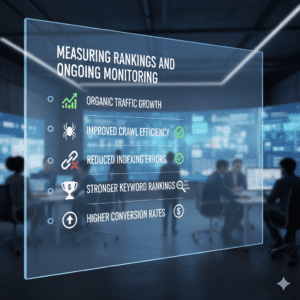
A structured reporting process connects technical improvements to measurable outcomes:
- Organic traffic growth
- Improved crawl efficiency
- Reduced indexing errors
- Stronger keyword rankings
- Higher conversion rates
Consistent monitoring ensures improvements are not temporary but sustainable.
Implementation and Long-Term Strategy
An audit alone doesn’t create growth-implementation does. Every recommendation must align with business goals, audience needs, and long-term scalability. Whether prioritizing quick fixes or structural overhauls, decisions must balance risk, resources, and expected impact.
Reputable SEO audit services follow standardized protocols, deliver tailored solutions, and resolve issues efficiently. Some businesses partner with agencies like Thrive Internet Marketing Agency for comprehensive support, while others integrate technical audit findings internally.
While broader SEO strategies may involve collaboration with a Link Building Specialist, the true strength of sustainable rankings always begins with technical stability.
The Power of Consistent Auditing
Unmatched growth happens when audits are conducted at the right frequency:
- Weekly general site maintenance
- Daily oversight during redesigns or migrations
- Real-time monitoring of critical errors
Teams that consistently run crawls, interpret layered data, and combine technical SEO audit services with thoughtful implementation create measurable organic traffic growth, outperform competitors, and attract qualified potential customers.
A well-executed professional technical seo site audit is not a one-time checklist-it is an ongoing strategic investment. When your technical foundation is strong, every other SEO effort performs better, scales faster, and delivers lasting results.
Advanced Strategies: Schema and HTML Markup
To truly elevate performance, we implement advanced strategies like structured data and schema markup. This helps search engines interpret content effectively, leading to enhanced search results and rich snippets for products, reviews, or articles. Simultaneously, we scrutinize HTML markup and titles. Properly nesting page content with H1 and H2 header tags allows search engine crawlers to understand the content structure. We verify that meta tags and descriptions are relevant, concise, and strategically optimized without falling into the trap of keyword stuffing.
Quality Vetting and Taking Action
While the focus is often on speed and code, measuring SEO performance also requires vetting content quality. Following Google’s guidelines means ensuring your writing is helpful, value-adding, and readable. From fixing grammar and punctuation to refining the tone of voice, these details build brand authority. Once the audit highlights the “good and the bad,” it’s time for implementation. We align goals with audience needs, choosing long-run wins over short-term fixes. Whether it’s through the Thrive Internet Marketing Agency or another vetted professional, taking action on audit findings is what bridges the gap between a stagnant site and total digital success.
Frequently Asked Questions (FAQs)
1. What is a professional technical seo site audit?
A professional technical seo site audit is a comprehensive evaluation of a website’s technical infrastructure to ensure it is crawlable, indexable, fast, secure, and aligned with search engine guidelines. It identifies issues that may negatively impact rankings and provides actionable recommendations for improvement.
2. Why is a technical SEO audit important?
Even high-quality content can fail to rank if technical issues prevent search engines from properly crawling or indexing pages. A technical audit ensures your site structure, speed, mobile usability, and server performance support long-term organic growth.
3. What does a technical SEO audit include?
A thorough audit typically includes:
- Crawlability and indexability analysis
- XML sitemap and robots.txt review
- Page speed optimization checks
- Core Web Vitals assessment
- Internal linking evaluation
- Canonical tag and duplicate content analysis
- Mobile usability review
- Structured data validation
4. How often should I run a technical SEO audit?
Most websites benefit from a full audit at least once or twice per year. However, large sites, eCommerce platforms, or websites undergoing redesigns or migrations should perform audits more frequently, along with ongoing monitoring for critical issues.
5. How long does a professional technical SEO audit take?
The timeline depends on the size and complexity of the website. Small websites may take a few days, while large enterprise sites can require several weeks for full analysis, reporting, and prioritization.
6. Will fixing technical SEO issues improve rankings immediately?
Some improvements, such as resolving crawl errors or no-index issues, can lead to quicker gains. However, most technical SEO improvements contribute to gradual, sustainable growth as search engines re-crawl and re-evaluate your site.
7. What tools are used during a technical SEO audit?
SEO professionals use tools for crawling, performance testing, structured data validation, analytics tracking, and backlink analysis to gather accurate data and uncover hidden issues affecting performance.
8. Is a technical SEO audit necessary for small businesses?
Yes. Small businesses often compete in crowded markets, and technical issues can severely limit visibility. A strong technical foundation ensures every piece of content has the opportunity to rank effectively.