
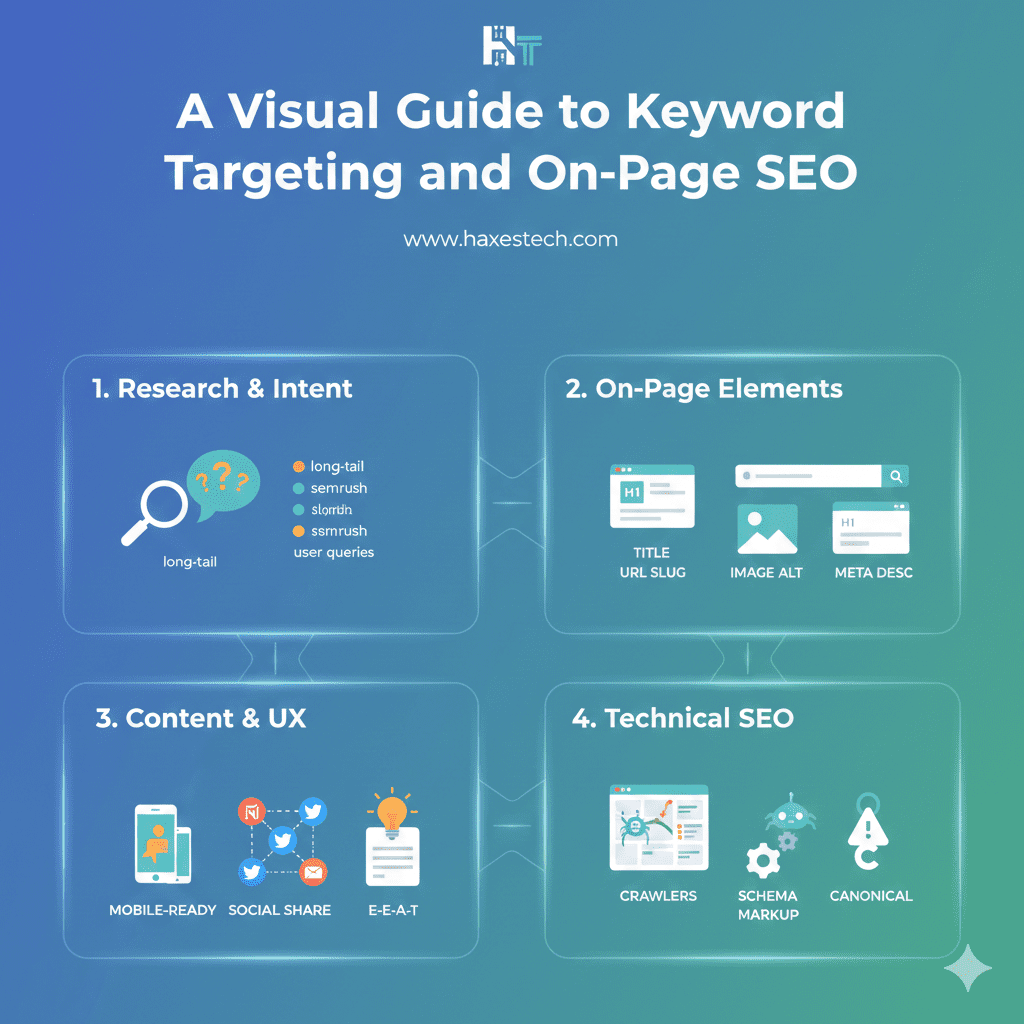
Mastering a visual guide to keyword targeting and on page seo starts with understanding the intersection of intent, relevance, and user experience. In my early SEO and web marketing days, I focused too heavily on stuffing keywords into pages, thinking this was true on-page optimization. Over years of testing, learning from failure, and analyzing metrics from Moz and other tools, I realized search engines reward clarity, usefulness, and alignment with user intent, not mechanical tweaks. Modern SEO is about how pages earn traffic from social networks like Twitter, Facebook, LinkedIn, Pinterest, and Google+, attract referring links from blogs, and leverage email to amplify shares, shaping brand perception, trust, and the ability to convert visitors.
The Evolution of On-Page Optimization
Years of data analysis indicate that the era of simple keyword placement is dead. Modern on-page optimization requires crafting pages that are uniquely valuable-not just in terms of word order, but in the takeaways and solutions they offer visitors. According to insights from industry leaders like Moz, functional usefulness is the new benchmark. This means analyzing the competition and delivering content that surpasses them in depth and clarity. Furthermore, adopting an E-E-A-T framework (Experience, Expertise, Authoritativeness, and Trust) is non-negotiable for establishing credibility, particularly in sensitive verticals.
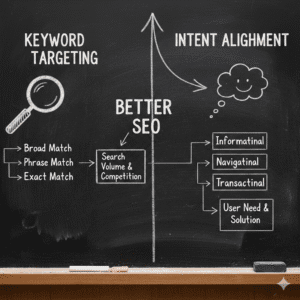
Keyword Targeting and Intent Alignment
Keyword targeting is no longer just about inserting terms into HTML code. It’s about satisfying relevance signals for queries while respecting the Search Quality Evaluator Guidelines and E-E-A-T principles (Experience, Expertise, Authoritativeness, Trust). Structuring pages around search terms and queries, with thoughtful article titles, headings, and meta descriptions, increases CTR, session durations, and overall SEO Visibility. Commercial investigation queries should guide not only comparative structure but also product mentions and schema markup, ensuring pages are optimized for both Google and Bing.
Crafting a Keyword Strategy That Supports Rankings
A robust keyword strategy begins with mapping user journeys across awareness, consideration, and purchase stages. Keyword clusters aligned with informational intent and transactional proximity create thematic clusters that establish topical authority. Planning around content velocity, internal linking, and addressing content gaps ensures sustainable organic traffic growth. Tools like HubSpot show that connecting head terms and long-tail keywords improves funnel stage conversions, and aligning positive and negative keywords balances traffic volume with traffic quality.
Phenomenal UX and Crawler Accessibility
If a page does not offer a phenomenal user experience (UX), superior keyword targeting will not result in high rankings. A high-quality UX satisfies ranking algorithms through intuitive navigation, functional design, and visual attractiveness across all devices. Slow loading speeds lead directly to high bounce rates, which harm brand perception and rankings. Simultaneously, ensuring your site is crawler-accessible is fundamental. Utilize rel=canonical tags to prevent duplicate content issues, maintain a clean URL structure, and intelligently manage bot access via robots.txt to guarantee reliable indexing.
Precision Targeting: Adding and Excluding Terms
Achieving a visual guide to keyword targeting and on page seo requires a nuanced approach to both positive and negative terms. While adding relevant terms strengthens topical clarity, deliberately excluding irrelevant traffic is just as critical to prevent diluting your focus. In paid search, this is straightforward, but in organic SEO, it requires subtle restructuring to avoid unintended traffic-such as a company selling premium products attracting users looking for “free” alternatives. As emphasized by top consultants, focusing on precision, volume, and quality ensures higher conversion rates rather than just vanity traffic.
When analyzing the broader digital landscape, businesses often need to look beyond their own efforts, including deciding How to Choose the Right Technical SEO Agency to handle complex infrastructure requirements.
Implementing Key On-Page Elements
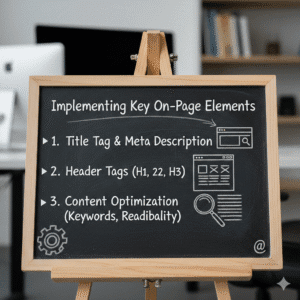
Keyword targeting must be integrated into fundamental on-page elements: Titles, H1 tags, and URL slugs. The primary keyword should appear naturally, preferably near the front of the title element for maximum impact on click-through rates (CTR). Additionally, image alt texts must be optimized for topical focus and accessibility, boosting SEO while ensuring ADA compliance. Meta descriptions, while not direct ranking factors, heavily influence user behavior through compelling phrasing. Finally, achieving semantic relevance through intelligent body distribution is superior to keyword stuffing, utilizing tools like TF-IDF for better topic modeling.
Modern Keyword Strategies in Practice
Today, keyword density is less important than context, relationships, and search intent alignment. Semantic keyword inclusion ensures pages cover related concepts, such as “home charging station” or “level 2 charger” when targeting “electric car charger,” enhancing user experience alignment across logical H2s and mobile-friendly layouts. Avoid intrusive popups, maintain fast loading, and respect device diversity to reduce bounce rates and boost engagement, as proven in client case studies.
Optimizing URLs, Media, and Linking
Keyword-rich URLs improve click confidence, while image alt texts and keyword-optimized alt tags reinforce accessibility and SEO. Using internal links strategically ensures no page is more than four clicks from relevant content, while external links to authoritative sites increase credibility. Thoughtful filename conventions, surrounding text, and functioning text links enhance relevance signals. Lessons from Marshall Simmonds and NYTimes demonstrate how structured linking can strengthen authority without sacrificing usability.
Meta Descriptions, SERP Visibility, and Authority
Well-crafted meta descriptions act like persuasive ad copy, enhancing search snippets and visibility when bolded. Beyond direct keyword use, social shares, brand mentions, and domain authority contribute to ranking. Platforms like Reddit, niche communities, and social sharing buttons amplify exposure, while URL structure and shareable content create spreadable value across audiences, leveraging Twitter Cards and OpenGraph markup for greater reach.
Trends, Tools, and Future-Proofing
Looking toward the future, the focus is shifting toward entity behavior and context-aware relationships. Semantic inclusion is vital; targeting a phrase like “electric car charger” must now also naturally encompass related concepts like “charging station” or “compatibility.” Leveraging tools like Google Keyword Planner (GKP), Ahrefs, or Semrush is essential for organizing data on search volume, difficulty, and competitive landscape. A well-structured a visual guide to keyword targeting and on page seo necessitates regular audits to revisit workflow cycles, analyze CTR, and ensure that your content briefs align with shifting trends in the SERPs.
Technical SEO and Structured Data
Pages must remain multi-device ready, supporting all browsers and screen sizes, while structured schema improves rich snippets and authorship visibility via rel=author and rel=publisher. Implement canonicalization, 301 redirects, robots.txt, and XML Sitemaps to maintain crawl efficiency. Continuous audits, like those inspired by Geoff Kenyon, validate structured data, enhance metadata, and minimize rich snippet spam while optimizing performance for real opportunities.
Long-Tail Keywords and Niche Targeting
Long-tail keywords, such as “best noise-cancelling earbuds for sleeping on planes,” capture specific intent, reduce competition, and improve conversion potential. Tools like Google Search Console, Semrush, Ahrefs Keyword Explorer, Ubersuggest, and AnswerThePublic help identify question-based long-tails that generate highly engaged traffic. Following strategies outlined by Brian Dean ensures long-tail targeting captures low-hanging fruit, backlinks, and visitors who convert effectively.
Execution and Continuous Optimization
Finally, executing a keyword strategy requires integrating titles, headers, alt tags, internal links, and body content with performance data to continuously refine CTR, bounce rate, and goal completions. Incorporate insights from Seologist, Content Harmony, and internal audits to maintain keyword-to-content alignment, ensuring pages remain optimized, uniquely valuable, and capable of sustaining ranking potential. For businesses exploring digital growth, knowing How to Choose the Right Technical SEO Agency can provide additional strategic guidance, but the core focus remains on applying these principles consistently across all pages.
FAQs:
Q1: What is keyword targeting in SEO?
A1: Keyword targeting involves selecting search terms aligned with user intent to optimize content for higher rankings and relevance.
Q2: How does on-page SEO affect rankings?
A2: On-page SEO ensures elements like titles, URLs, headers, and content structure are optimized for search engines and user experience.
Q3: Why are long-tail keywords important?
A3: Long-tail keywords capture specific intent, reduce competition, and attract highly relevant traffic that is more likely to convert.
Q4: How do I structure a keyword strategy?
A4: Map user journeys, group keywords into clusters, align with intent, optimize URLs, headers, content, and internal linking.
Q5: Can visualizations help with keyword targeting?
A5: Yes, visual overviews and graphical insights clarify keyword placement, content hierarchy, and relevance signals for better optimization.