
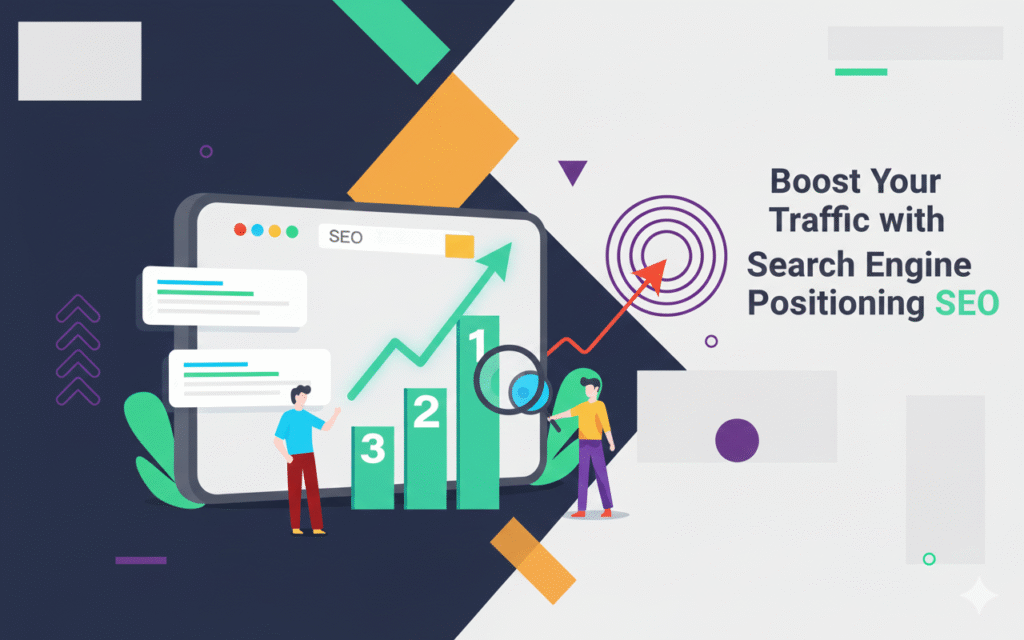
After years of working with real websites, I’ve found that SEO isn’t about shortcuts or quick fixes. It’s a targeted practice that enhances how specific web pages show up in search engine results. Many believe SEO is about optimizing a whole website at once. But positioning is a more refined approach. It targets certain pages, keywords, and chances. Small improvements here can result in big ranking gains.
Traditional SEO lays the groundwork by strengthening site-wide health, authority, and technical structure. Search engine positioning improves on this by making each page more relevant. This method usually gives better results over time than always creating new content. It’s not about quick success. It’s about steady, compounding growth that boosts visibility each month.
Understanding the Core of Search Engine Positioning (SEO)
Search engine positioning (SEO) works best when you understand its true role. It is a subset of SEO that deals with how individual pages compete in search results. Positioning helps you know where to direct your efforts. Instead of trying to optimize everything, you can focus on what matters most. Pages that rank on the first or second page are often the best choices. They already have trust from search engines.
In my experience, improving these pages requires precision rather than volume. Small changes can make a big difference. Refining headings, improving clarity, or adjusting keyword placement can boost rankings. This is different from broader SEO tasks. For example, it’s not like technical audits or backlink campaigns. Positioning is about timing, relevance, and understanding how search engines interpret intent.
Why Search Engine Positioning Matters More Than Ever
Search behavior has undergone a significant transformation. Ranking alone is no longer enough.
Visibility is now visible in many SERP features. These include:
- Featured snippets
- People Also Ask boxes
- Video results
- Image packs
- Knowledge panels
This means a page can gain traffic without being the number one result.
Industry research supports this reality. Backlinko’s CTR studies show that higher positions get more clicks. But modern SERPs often place organic results below AI summaries and rich features. SEO helps you compete today by focusing on how and where your content shows up.
Real-World SERP Behavior and Data Insights
Data tells a clear story. Top-ranking pages get the most clicks. Moving up one spot can lead to a large increase in the click-through rate. Tools like Semrush show more zero-click searches. This is especially true for queries that trigger AI overviews or instant answers.
This shift means brand visibility is becoming as important as clicks. Even when users don’t click, appearing as a cited source or visible answer builds authority. SEO is key because it helps organize content. This makes it more trustworthy for search engines.
Reoptimizing existing pages for faster results.
One big lesson I’ve learned is that posting new content isn’t always the best way to grow. Many websites already have pages that are close to ranking well. These pages often need refinement, not replacement.
I use Google Search Console to check performance data and I look for pages that have many impressions but few clicks or low rankings outside the top spots and I update old information. I improve clarity and I strengthen headings and I also align content with user intent. You can boost rankings in weeks. Improve readability, add internal links, and speed up pages.
The Role of Content Quality and Intent Matching
Content quality is not about length or keyword usage. It’s about how well a page answers the user’s question. Search engine positioning (SEO) prioritizes intent matching over keyword density. When content meets search intent, users stay longer. They engage more and have a positive interaction with the page.
Writing in simple language helps. Clear examples and a logical structure boost engagement metrics. These signals, although indirect, show a strong correlation with improved rankings. Content that is easy to scan and understand performs better across all devices.

Internal Linking as a Strategic Positioning Tool
Internal linking is a key and often ignored part of SEO. It helps search engines see how pages connect and which ones are most important. Linking from high-authority pages to target pages boosts relevance and improves ranking potential.
I often map internal links. This helps create a clear structure and prevents keyword cannibalization. Descriptive anchor text improves context, while logical link placement improves usability. This method boosts crawl efficiency and builds topical authority over time.
Click-Through Rate and Behavioral Signals
Click-through rate is one of the most debated topics in SEO, but practical testing tells its own story. Good titles and meta descriptions often get more clicks, even if rankings don’t change. When CTR improves, rankings often follow.
After testing many times, I’ve noticed pages rise when snippets match user intent better. Adding emotional triggers, clarity, or specificity in titles can make a measurable difference. Pairing content with engaging visuals, especially videos, further increases click appeal.
Page Experience, Performance, and Core Web Vitals
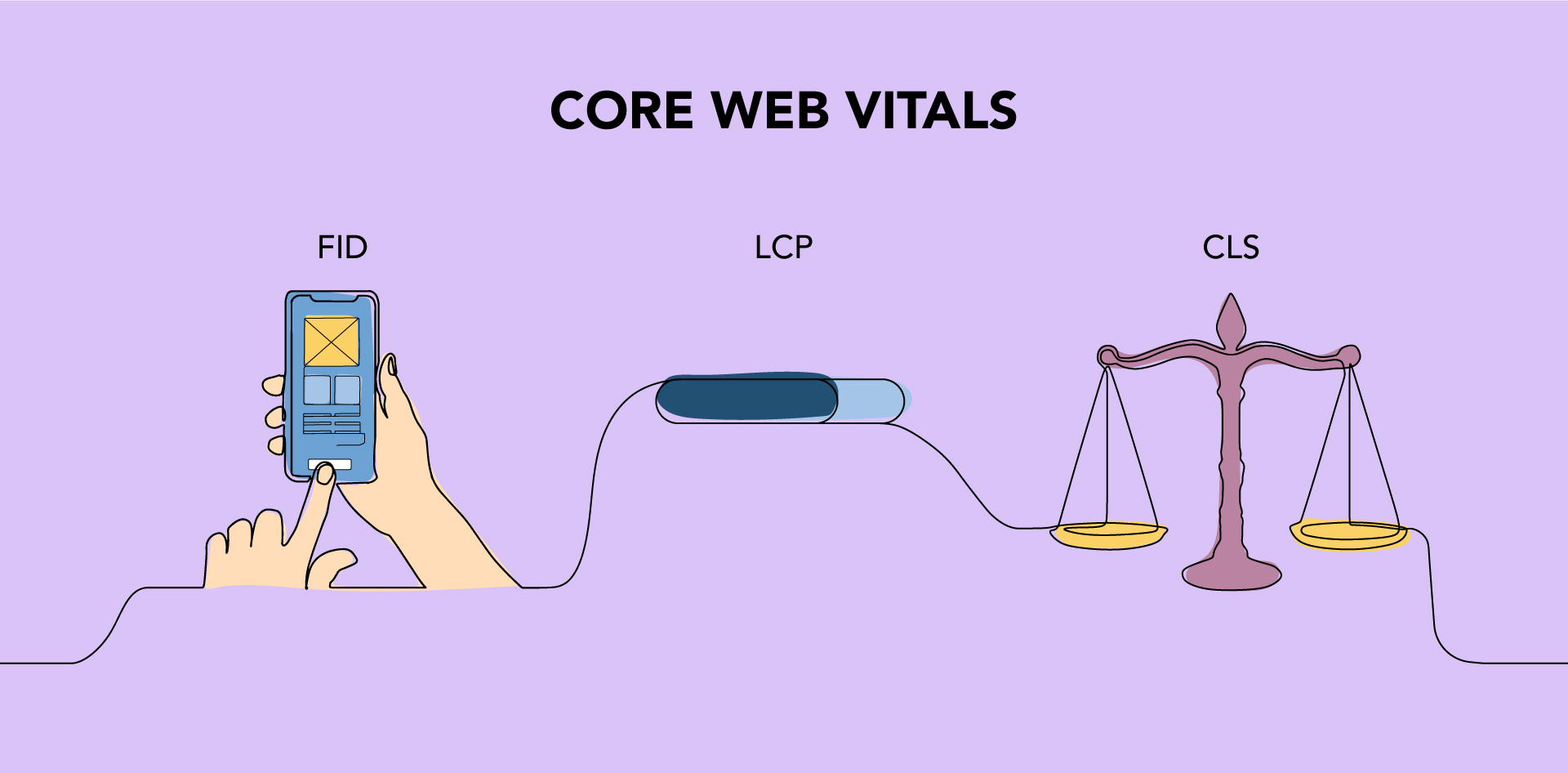
User experience plays a central role in modern search engine positioning (SEO). Google’s Core Web Vitals highlight how performance affects real users. Slow load times, layout shifts, and poor mobile usability all reduce ranking potential.
I often check page speed using PageSpeed Insights and Core Web Vitals reports. To boost performance, improve server response time. Optimize images, simplify layouts, and cut unnecessary scripts. These changes not only help rankings but also improve conversion rates and trust.
Trust, authority, and long-term positioning.
Search engines focus on trust. Pages from authoritative websites with strong credibility perform better over time. Trust grows from good content, honest link building, and following SEO best practices.
Search engine positioning (SEO) requires a solid foundation of trust signals. High-quality backlinks, accurate information, and transparent authorship all contribute to long-term stability. Even when algorithms change, trusted pages tend to keep their visibility.
Expanding the SERP footprint through many placements.
An advanced positioning strategy involves expanding your SERP footprint. Ranking many times for the same query increases exposure and reinforces authority. You can do this by creating related content, optimizing videos, and linking them well.
I’ve used this approach with blog posts and YouTube content to achieve positive results. A website shows up in organic listings, video results, and People Also Ask boxes. This boosts its visibility a lot. This happens even if it’s not the top result.
Video and Visual Content in Search Positioning
Visual content plays a growing role in search results. Videos, images, and thumbnails often attract attention before text results. Optimizing visuals with descriptive filenames, alt text, and proper schema improves discoverability.
YouTube SEO is especially powerful for search engine positioning. Optimized videos often rank alongside traditional results, providing brands with more exposure. Websites can lead in SERPs by combining great written content with optimized videos.
Search Engine Positioning vs. Traditional SEO
SEO is key, but it doesn’t replace itself. Instead, it refines it. SEO builds the infrastructure technical health, backlinks, and domain authority. Positioning focuses on how individual pages perform within that infrastructure.
I often compare SEO to building a road system and positioning to traffic management. Without roads, traffic cannot flow. Without positioning, traffic may not reach the right destination. When both work together, results become predictable and scalable.
SERP features and modern optimization opportunities.
Modern SERPs offer many ways to gain visibility beyond traditional rankings. Clear content structure, direct answers, and schema markup boost eligibility for these features.
Local businesses gain from map results and local packs. Brands enjoy knowledge panels and visual results. Search engine positioning, or SEO, formats content for easy understanding by search engines.
Consistency and Long-Term Growth
One of the biggest mistakes I see is inconsistency. Search engine positioning (SEO) rewards steady effort. Regular monitoring, periodic updates, and ongoing refinement are essential. Rankings fluctuate, competitors evolve, and algorithms change but consistent optimization keeps pages competitive.
Over time, this approach compounds. Pages gain authority, rankings stabilize, and visibility grows across many SERP features. The result is steady organic traffic that doesn’t rely on constant content updates.