
When people ask how to build backlinks in small niches, I say the rules change. Less competition and tighter relevance shift the game. Small and micro-niches don’t behave like broad markets. You’re facing fewer websites and bloggers. Creators are making less content, too. But your audience is smaller, and they are more invested. That combination makes traditional, volume-based link-building tactics feel unnatural and often ineffective. But this limitation is also the biggest advantage. In small niches, relevance matters more than authority. One strong backlink can be better than many generic ones. Using solid on-page SEO secrets keeps backlink growth steady and reliable. It also becomes less influenced by algorithm changes.
Understanding the structure and behavior of small niches.
Before building links, I always analyze how the niche operates. Small niches focus on specific problems, unique products, or particular interests. Communities tend to be closer, conversations more personal, and trust far more important. Fewer players make it easier to see if the content is truly useful or made for SEO. Backlinks in small niches come from contribution, not persuasion. Knowing who creates content, who uses it, and who manages resources can improve your strategy.
Creating hyper-specific, high-value content assets.
Content in very small niches cannot afford to be generic. I’ve seen the best results when content targets one clear problem. It should solve that problem better than anything else. I publish fewer posts but make them more in-depth and I create step-by-step guides, advanced tutorials, and use-case breakdowns. I also provide data-backed explainers, visual workflows, and long-form resources. These are the kinds of content people bookmark and refer to later. Incorporating original research, real-world experience, unique insights, and firsthand examples adds much credibility. This type of content becomes a go-to source in the niche over time. It attracts backlinks without effort, so there’s no need for constant outreach.
Using User Experience and On-Page Foundations to Support Linkability
Even the best content struggles to earn links if it is difficult to consume. A clear structure, good links, and pages that load quickly help people find content with ease. I always optimize pages with on-page SEO secrets. Use proper headings, clean URLs, relevant internal links, and a clear topic focus. When content is easy to navigate and looks good, other site owners are more likely to link to it. This makes it seem like a trustworthy resource.
Identifying and Serving Linkable Audiences

A key breakthrough in my link-building strategy was focusing on linkable audiences instead of just end users. These include educators, researchers, bloggers, journalists, curators, community moderators, and resource managers. Their role already involves linking to helpful material.
I create helpful content, including:
- Statistics pages
- Industry guides
- Research summaries
- Reports
- Tools
- Evergreen reference assets
Instead of asking for links, I focus on supporting their work. When content matches their intent, outreach gets easier. The link boosts the value of their existing pages.
Applying Reverse Outreach in Very Small Niches
Reverse outreach is very effective in small niches. This is because there is less competition for attention. Instead of chasing links, I focus on ranking for research-oriented and referential keywords. This includes terms about industry stats, trends, reports, comparisons, data analysis, and insights. Publishers and bloggers often find good resources when researching these topics. Tracking competitor backlinks and seeing which assets draw links helps improve this strategy. Over time, this method builds links through steady efforts without heavy manual outreach.
Building Authority Through Firsthand Experience and Expert Input
In tiny niches, being original can make or break your content. It can mean the difference between someone ignoring you and you earning links. I don’t rewrite what’s out there; I add my own experiences, insights from experts, and practical tips. Working with in-house experts, niche professionals, or seasoned users brings depth. Both search engines and people appreciate this. This approach boosts information gain. It makes content feel more authoritative, not copied. This can significantly improve the chances of gaining links.
Participating deeply in specialized communities.
Community engagement matters more in small niches than many think. Trust often begins on forums, Q&A sites, subreddits, private groups, and industry boards. I answer questions thoroughly. I share knowledge freely and cite my sources when it helps others. Over time, consistent participation builds recognition, and content starts getting shared organically. Most backlinks in small niches come from community talks, not outreach emails.
Using social media as a relationship tool, not as a promotional channel.
Social media in small niches is less about reach and more about connection. I see it as a way to listen and build relationships, not a place to broadcast. Commenting thoughtfully, joining discussions, sharing insights, and highlighting others’ work can help niche creators gain attention. When content is shared here, it feels natural. This often leads to references, citations, and backlinks from blogs or resource pages later.
Approaching influencers and bloggers in a personalized manner.
Influencer marketing still applies in very small niches, but the scale is different. I focus on creators who have strong connections and loyal fans, not numbers. These may be bloggers, YouTubers, newsletter writers, or community leaders. I always engage with their content first. I reference specific work and suggest collaborations that help us both. Guest posts, interviews, co-created research, and shared case studies attract better backlinks than simple pitches. Exclusive insights also help.
Crafting Outreach That Focuses on Mutual Value
Outreach in small niches must involve a great deal of personalization. I avoid templates and focus on clarity, relevance, and shared goals. A good pitch shows why the collaboration works. It explains how it helps their audience and highlights the unique value offered. The focus is on contribution, not on making requests. This includes access to data, original research, guest articles, or collaborative projects. This approach leads to a marked increase in response and acceptance rates.
Leveraging Broken Link Building Where Competition Is Low
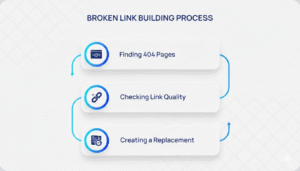
Broken link building is extremely effective in small niches. There are fewer other resources available. Content disappears, websites shut down, and links break often. I use tools like Ahrefs and Screaming Frog to find broken links on relevant pages. Then, I create suitable replacement content. Resource pages, curated lists, directories, and niche websites often accept replacements quickly. They aim to keep content quality high with less effort.
Targeting Resource Pages and Curated Lists
Resource pages often go unnoticed, yet they hold significant value in small niches. These pages exist to link out to useful tools, guides, and references. One strong asset can get you on several resource pages because there isn’t much competition. I ensure my content deserves inclusion. It’s comprehensive, up-to-date, and has a clear connection to the topic.
Collaborating on research, surveys, and data projects.
Original research attracts many links in any niche, particularly in smaller ones. Surveys, studies, reports, and data analysis help others see why your work matters. I’ve noticed backlinks emerge from blogs, publications, and microsites without any effort. They often need credible data. These partnerships boost authority and build lasting, linkable assets. These assets keep drawing in references over time.
Using Digital PR and Expert Contribution Platforms
Digital PR works even without big budgets. Responding quickly to journalists, expert questions, and niche publications helps get quality backlinks. The key is relevance and speed. Providing clear, concise, and useful insights increases the chances of citation. This creates a strong backlink profile based on authority, not manipulation.
Monitoring Backlinks and Protecting Link Quality
Link building doesn’t end when you earn a backlink. I track backlinks on a regular basis. I use tools like Ahrefs, SEMrush, Moz, Majestic, and Google Search Console. This helps identify new links, lost links, and potential issues. Analyzing what content gets links and which sources bring traffic helps refine strategy. This also protects link health.
Repurposing content to multiply backlink opportunities.
Repurposing content helps you reach more people without creating new material. You can turn a guide into an infographic, PDF, video, or slide deck. This helps you reach new platforms and audiences. Each format attracts a specific type of backlink. This is true, especially in niches with limited content choices.
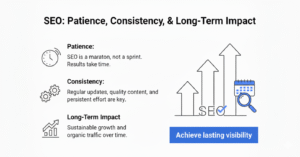
Patience, consistency, and long-term SEO impact.
Mastering how to build backlinks in very small niches requires patience and consistency. Growth is slower, but the results are far more durable. A single backlink from a trusted source can provide more SEO value than many generic links. When link building focuses on relevance and authority, it boosts creativity. Strong on-page SEO secrets can turn small niches into thriving areas. This leads to lasting SEO growth instead of limitations.