
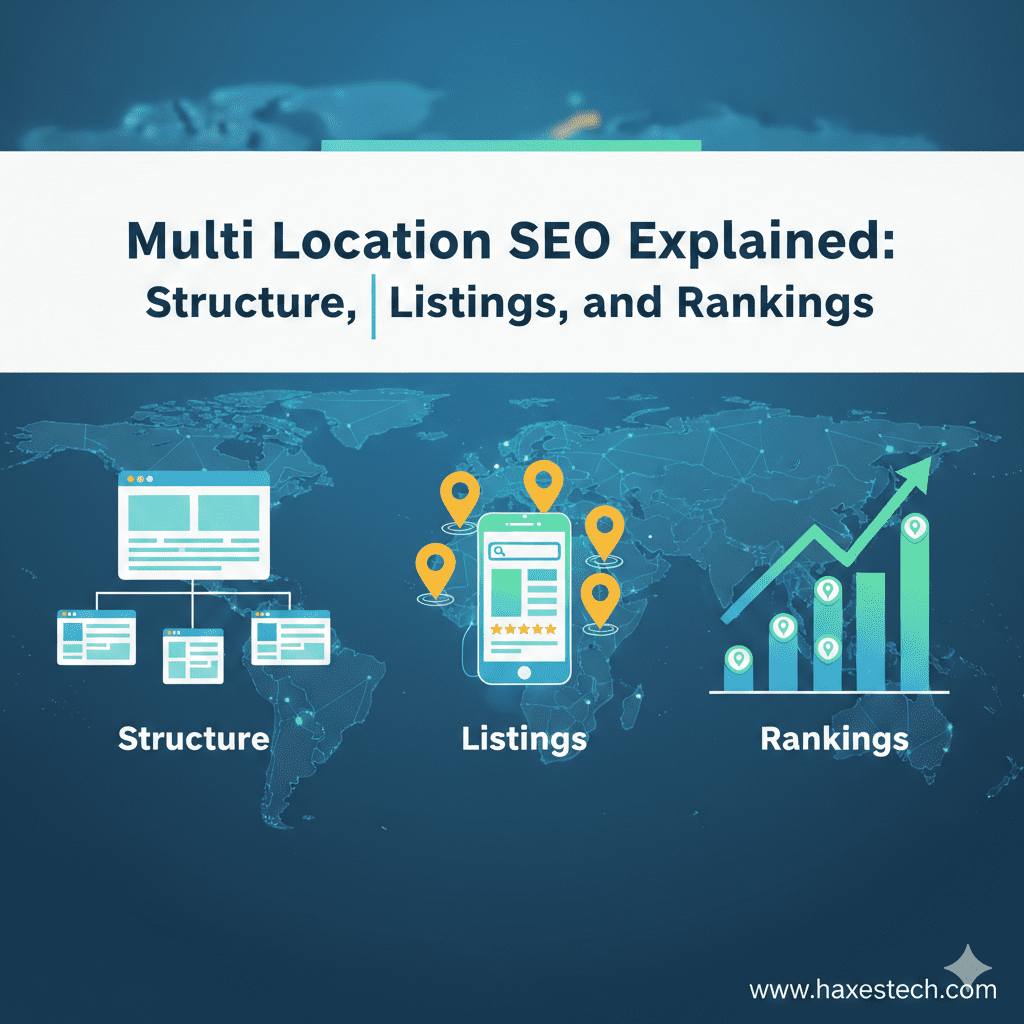
Multi-location SEO isn’t about ranking in various cities. It’s about creating a connected local ecosystem. Here, each branch gains visibility, engagement, and measurable growth. Businesses using Affordable SEO Services for Small Business often find this. When they expand to new areas, they need a stronger, location-focused plan. Success starts with understanding that each branch operates in its own competitive space. This area is influenced by Google’s personalized local and organic results. Each location is a unique micro-market. It has different competitors, search habits, and expectations. So, your strategy must adjust for each branch.
Why Multi Location SEO Matters in Competitive Markets
In low-competition towns, modest optimization may deliver traction. In busy city markets, personal injury lawyers compete on every block. So, they must keep improving their visibility. Sustainable growth relies on consistent branding everywhere. You need a clear name. Make sure the hours are correct. Offer clear service options. Respond quickly to reviews. Keep contact info accurate. When online customer service matches offline experiences, search engines see your credibility. They notice praise from reviewers, social communities, and links from third-party publishers. Over time, that consistency transforms visibility into loyalty-and loyalty into scalable growth.
Building a Foundation: On-Site Structure and Strategy
To master multi-location SEO, you need to send clear signals to search engines. This shows that your brand is local at each branch. Your website structure acts as the skeleton of this success. You must make a foundational decision: separate domains, subdomains, or subfolders. While separate domains offer unique branding, they often dilute SEO value. I usually suggest using a subfolder structure, like brand.com/locations/city. This helps gather backlinks and boost page authority for one domain.
Powerful location pages are the cornerstone of your landing pages. To operate effectively, these pages must include:
- Accurate NAP: Consistent Business Name, Address, and Phone Number.
- Unique Content: Avoid duplicate text; use location-specific descriptions, team bios, and local promotions.
- Add contact forms; booking prompts, and e-commerce features. This will create a smooth experience.
- Customer Testimonials: Local reviews on these pages cut down duplicate content. They also build trust quickly.

Off-Page Authority and Reputation Management
Off-page SEO extends your presence beyond your own website. To stay active, trusted, and relevant, manage your Google Business Profiles (GBP) well. An optimized profile helps you show up in Google Local Pack and Maps. Update your hours, categories, menus, and photos for the best results.
Local citations in directories like Apple Maps, Bing Places, and Yelp matter. They help build credibility. Consistency builds trust. Inaccurate or duplicate data confuses search engines and frustrates customers. Post-transaction, a structured professional reputation management program is vital. Fast replies to good and bad reviews build loyalty. They also spark word-of-mouth referrals. If you’re new, look for affordable SEO services. They can help with citations and reviews for small businesses. This way, your staff won’t feel overwhelmed.
Scaling Success Across Every Branch
Scaling a multi-location SEO strategy requires clear priorities and repeatable systems. To stay competitive in a growing market, track results locally instead of viewing the site as a whole. Check search rankings and traffic for each branch. This helps you find weak markets or technical problems fast.
I recommend centralizing SEO oversight with a main contact or agency. This helps keep content updates and local listings efficient. Templates for location pages help boost your local SEO. Clear guidelines for review management make it grow steadily. Aligning your online customer service with your offline staff makes your brand stronger. Search engines find your online assets. They see citations from other publishers. They also notice social communities. This helps your brand build local authority. This grows with each new location you open.
Increasing Local Engagement and Foot Traffic
Real performance begins with local engagement and measurable foot traffic. Brick-and-mortar brands, like restaurants and retail stores, want to grow. Medical practices also want to expand their reach. They want to show up for as many nearby searchers as possible. Local businesses, such as plumbers and HVAC providers, aim to stand out in local searches. Cleaning companies also want to stand out. Hybrid models, like a pizza brand, can offer dine-in and delivery. They must match their business style. They must also ensure smooth digital experiences. These experiences should feel easy to find for the local community.
Customer behavior drives everything. A visitor might search for “deep dish pizza late night near me.” A loyal customer might search for “Pasquale’s Pizza near me for delivery.” With the right optimization, your brand can show up in the Google local pack. It might also appear in Maps, organic listings, or AI Overview results.
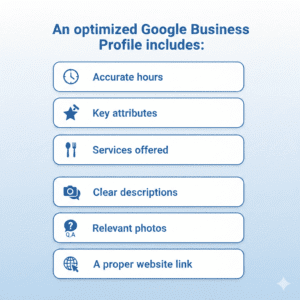
An optimized Google Business Profile includes:
- Accurate hours
- Key attributes
- Services offered
- Menus
- Clear descriptions
- Relevant photos
- Q&A
- A proper website link
This setup encourages smooth action. Add e-commerce features, ordering systems, reservations, and clear contact info. This helps cut drop-offs. It works in four stages of consumer journeys: awareness, consideration, conversion, and retention.
How Multi-Location SEO Works in 2025
In 2025, local search is incredibly precise. Search engines focus on local businesses. They consider real-time search intent, relevant services, and how close a business is. High-intent queries, like “pediatrician near me,” show urgent needs. So do searches for “roof repair in Austin.” If your brand isn’t showing up in local search results, you’re missing out. Competitors with strong SEO strategies are getting those leads. Multi-location SEO helps brands connect with nearby customers. These customers are actively searching for services. This boosts discovery when they want to call, visit, or take action.
To improve rankings in different areas, send clear and consistent signals. Use a mix of on-site and off-site elements. A strong website structure is key. It should be user-friendly. Each market needs its own dedicated page. Combine this with optimized Google Business Profiles. Use accurate Google Maps listings. Also, manage profiles carefully. This will help boost local rankings in your target cities.
The Strategic Advantage of Structured Local Targeting
Recent studies show that 74% of people use Google to find local businesses. Also, 80% of local searches result in conversions. That frequency highlights how local discovery shapes consumer behavior. For brands with many locations, each verified Google Business Profile is important. Accurate local listings also help. A good location page increases the chances that customers will seek help. This layered system captures demand in each city. It uses clear geographic targeting and a well-structured website. This helps search engines and users understand your entire business footprint.
Choosing the Right Website Structure
A key choice in multi-location SEO is how you structure your website. It needs to be scalable and perform well. Separate domains can work for franchise models needing their own brands. But they split SEO value and make link-building, analytics, and resource sharing harder. Subdomains provide some separation, but they can complicate internal linking, setup, and reporting. Subfolders in a root domain focus SEO signals into one system. They gather backlinks and page authority. They need to plan their URL structure and navigation early. This helps with local SEO and makes analytics tracking easier. They also make updates easier. They help keep infrastructure and brand identities clear.
Structuring High-Impact Location Pages
Location pages are the cornerstone of scalable local growth. Each landing page should show the business name, address, and phone number. Also, keep NAP information consistent across local listings. Unique descriptions and updated hours help. Real team members and local offerings prevent duplicate content issues. Using local keywords helps. Focus on the city, neighborhood, or service area in your headings and body content. This makes your content more relevant to the area. Include real customer testimonials and honest feedback. Add clear calls to action like contact forms or booking prompts. This will help turn nearby searchers into conversions and build trust online.
Building Authority with Off-Page SEO
Off-page SEO reinforces your presence beyond the website. Verified Google Business Profiles boost visibility. When they have the right hours and categories, they do better. The same goes for phone numbers and descriptions. They perform well. This helps them appear more often in map results and the local pack. Actively managed profiles build customer trust. They feature regular photo updates. They include timely offers and service updates. Clear communication about temporary closures is also important. Local citations on Apple Maps, Bing Places, and Yelp confirm location data. Niche directories also help verify this information. They also remove duplicate or inaccurate listings. This strengthens SEO results. Responding to both positive and negative reviews on platforms like Facebook builds trust. It protects your credibility and helps sway customer choices.
Scaling for Long-Term Success
Scaling requires disciplined systems, capable people, and aligned priorities. Check SEO results by checking search rankings, traffic, and conversions. This helps you spot weak markets and technical problems. Set up centralized SEO management. Use a trusted agency or an internal lead to manage listings. They can update content and guide execution. Repeatable systems-templates, guidelines, and easy publishing workflows-keep SEO quality high. They also help support fast growth. When done right, multi-location SEO helps each branch show up in relevant searches. This drives real results-like leads, appointments, sales, and revenue. It turns search visibility into growth you can measure and expand.
Frequently Asked Questions (FAQs)
1. What is multi location seo?
Multi location seo is the process of optimizing a business with multiple branches or service areas so each location ranks in its specific geographic market. It focuses on location pages, local listings, and consistent signals to improve visibility in local search results.
2. Why is multi location seo important for growing brands?
It ensures every branch appears for high-intent local searches in its city or neighborhood. Without it, businesses lose visibility, qualified leads, and potential customers to competitors who are better optimized locally.
3. How do location pages help in multi location seo?
Dedicated location pages send clear geographic signals to search engines. When properly structured with accurate NAP details, unique content, and local keywords, they improve rankings and increase conversions from nearby searchers.
4. What role do Google Business Profiles play?
Optimized and actively managed Google Business Profiles increase visibility in the local pack and Google Maps. Accurate hours, categories, services, and regular updates help build trust and drive more calls, visits, and actions.
5. How can businesses scale multi location seo effectively?
By using a centralized website structure, maintaining consistent local listings, monitoring performance by location, and implementing repeatable content and optimization systems, brands can grow while maintaining strong local visibility.