

In SEO, landing on Google’s first page isn’t luck. It’s about having a smarter plan than your rivals. Many website owners struggle. They often build links without a clear plan, hoping someone will notice them. But, a professional backlink gap strategy changes the game. Use a smart system to pinpoint where your competitors get their “votes of confidence.” Then, discover how you can earn them, too.
In 2026, the most successful websites don’t “shout into the void.” They use precise tactics to find competitive gaps. These gaps can be filled through practical assessments. Check the sites linking to your competitors. You’ll discover valuable placements that have already shown results. This approach is a “safety lens.” It helps you meet the quality standards of search engines like Google and Bing. Also, it lowers your risk of penalties.
What is a Backlink Gap Analysis?
At its core, a backlink gap analysis is an audit of your link profile compared to your top rivals. It highlights the “gaps”—the specific websites that link to your competitors but not to you. Think of these gaps as missed opportunities. A respected website linking to three of your competitors shows they value your niche.
By gaining this knowledge, you open new avenues for content creation. You don’t have to guess what articles people want to link to. Your competitors have already done the research for you. This method focuses on performance. It ensures that solid data, not guesswork, bases your search engine rankings.
The 3-Layer Model for Faster Rankings
To maximize your backlink gap strategy, explore your opportunities in three layers:
Layer 1: The Overlap Gaps
These are the easiest links to get. A shared website shows that the publisher welcomes businesses like yours. You’re not sharing a new idea; you’re providing a better resource on a topic they already care about.
Layer 2: Page-Level Reason Gaps
To move your rankings quickly, you must look closer than the domain name. You need to look at the specific pages. Why did the editor link to your competitor? Was it for a specific statistic? A unique definition? Get to know the “intent” behind the link. This way, you can build a better page on your site that solves the editor’s problem even more effectively.
Layer 3: Feasibility Gaps
These are the hidden gems where competition is low. This includes finding “Unlinked Brand Mentions.” These occur when someone mentions your name without linking to it. Update “Outdated Resources” and fix “Broken Outbound Links.” These tasks are often easier to tackle. You’re helping the website owner fix a mistake on their page.

Setting Up Your 15-Minute Audit
Efficiency is the secret to a long-term SEO win. You don’t need days to find these gaps; you need the right process.
- Identify SERP Competitors: Don’t look at big brands you admire. Look at the websites that are actually ranking for the keywords you want to win. These are your “Direct SERP Competitors.”
- Use the Right Tools: Use industry-standard tools like Ahrefs, SEMrush, or Moz. You can use tools like the Backlink Gap Tool or Site Explorer to compare your “Domain Rating” (DR) with other sites.
- Run a Link Intersect Report: This is the most important step. It generates a list of websites that link to Competitor A and Competitor B, but have a gap where your link should be.
- Filter for Quality: Not every link is a good link. Set a filter to only look at sites with a DR of 50 or higher. This helps you focus on “Tier 1” and “Tier 2” prospects. You can skip low-quality “junk” sites and scraper directories.
Choosing Your Target Page
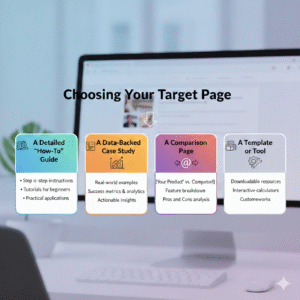
One big mistake in a backlink gap strategy is simply asking for a link to your homepage. This is rarely what an editor wants. Instead, you must map your prospect to a specific, high-value page on your site. This could be:
- A detailed “How-To” Guide.
- A data-backed Case Study.
- A Comparison Page (e.g., “Your Product vs. Competitor”).
- A Template or Tool.
Offering a specific resource makes the link relevant and useful for readers. This enhances your success rate.
Scaling with Professional Help
Completing all these tasks manually requires a full-time commitment. Many clever agencies and business owners pick White Label Link Building Services. These services do the hard work for you. They handle research, filtering, and outreach—all under your brand name. This maintains a steady “link velocity,” which means gaining new links at a rapid pace. It also prevents overwhelming your internal team. It’s a great way to ensure that your gap analysis actually turns into live links every single month.
The Art of the “Human” Pitch
Outreach is where most SEO strategies fail. If a robot wrote your email, someone will delete it. To stay human, use a “Citation Match” formula. Show the editor that you actually read their page. Explain why your resource is a better fit or provides more updated data.
A simple follow-up rule: Send one polite follow-up after a week. If they don’t respond, move on. A great strategy builds on efficiency, not on being a nuisance.
What to Expect: The 90-Day Window
Links do not work overnight. Google needs time to crawl, process, and test the new data.
- Month 1: You will see your new links getting indexed. You might see a small “wobble” in your rankings as Google tests your new authority.
- Month 2: Your site becomes more stable in the rankings. You’ll start seeing growth in “Long-Tail Keywords” (longer, more specific search phrases).
- Month 3: This is the “compounding window.” Your site builds trust, so your “Head Terms” (the key competitive keywords) begin to rise.
Measuring Your Success
Don’t count how many links you got. Measure the things that actually make you money:
- Are links coming to your product pages? Check your referring domains.
- Impression Growth: Is Google showing your site to more people in search results?
- Rankings Stability: Is your site staying on page one instead of jumping around?
- Topic Relevance: Are your links coming from sites that are actually related to what you do?
Staying Ahead of the Market
The digital world evolves at a fast pace, but a backlink gap strategy remains relevant. It’s rooted in market reality. Record your success on a regular basis. Keep refreshing your reports each week. This way, you stay ahead of new competitors.
Remember, link building is like a marathon. Getting five good links each month is better than 50 low-quality ones in a week, then nothing for the rest of the year. Focus on “editorial fit” and “feasibility.” Offer real value to other websites. This will raise your site’s authority in search engine rankings.
This blueprint makes SEO clear and easy to manage. You’re not building links; you’re creating a digital asset. This asset will keep bringing traffic and revenue for years.