
When business owners ask how to optimize a website for local SEO, they often feel frustrated. They have a website, they offer good services, yet nearby customers can’t seem to find them on Google. I’ve been there too—working with local brands that relied on walk-ins, phone calls, and urgent searches. The truth is simple: local searches happen at moments of high intent. When someone searches “near me,” they are not browsing; they are deciding. To optimize a website for local SEO, you need to make your business visible when people are ready to act. This means appearing in searches when they want to call, visit, or buy.
Local SEO is not about chasing random traffic. It’s about visibility where location, timing, and relevance intersect. A strong local SEO foundation turns your website and profiles into a 24/7 digital storefront. This attracts attention in your service area and turns visitors into real customers.
Local SEO vs Traditional SEO: Understanding the Difference
To optimize a website for local SEO, you need to know how it differs from regular SEO. Traditional SEO focuses on ranking content for a broad or even global audience. Think blog posts, guides, or tutorials that anyone in the world can read. Local SEO roots itself in geography and intent.
When someone searches for a recipe, Google delivers informational results. When a user searches for “electrician near me” or “best café in Chicago,” Google knows it’s a local and urgent need. The results shift to map listings, business profiles, and nearby service providers. This is where proximity, relevance, and trust outweigh content length or backlinks alone. Local SEO requires accurate business information. It also needs strong local signals and alignment with local search habits.
How Local SEO Works in Real Search Results
Behind the scenes, local SEO starts similarly to organic SEO. Google crawls your website, reads content, and evaluates keywords. But once local intent is detected, the algorithm changes behavior. Google now shows the local map pack, Google Business Profiles, and nearby businesses. It’s more than blue links.
Businesses that focus on local optimization often get faster results. This is better than relying on traditional SEO. A good Google Business Profile helps your business appear on Google Search and Maps. This happens even before users see organic results. Local organic listings are important, even below the map pack. They help users compare services and research before deciding. A strong local SEO strategy ensures visibility in both areas.
Finding Local Keywords That Bring Customers, Not Traffic
One of the most overlooked aspects of local SEO is keyword intent. Many businesses focus on keywords that get a lot of searches. But they often overlook if those searches actually lead to conversions. My approach always starts with understanding how real customers phrase their searches.
Local keywords usually combine a service with a location or urgency. Examples include “emergency dentist,” “plumber in Austin,” or “best coffee shop near me.” These searches signal readiness to act.
You can find valuable phrases by:
- Conducting a manual analysis of search results.
- Reviewing map listings.
- Studying competitor profiles.
Tools might miss these insights.
Keyword tools like Semrush show volume and competition. Yet, human analysis uncovers context. Use specific phrases like “open now,” “affordable,” and local neighborhood names. They are more effective than general terms. This step is key for learning to optimize a website for local SEO effectively.
Optimizing Your Google Business Profile for Greatest Visibility
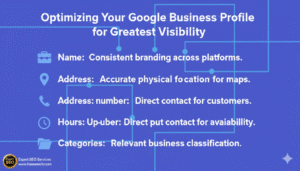
If local SEO had a single centerpiece, it would be the Google Business Profile. This profile often decides if your business shows up in local searches.
To optimize effectively, begin with these key business details:
- Name
- Address
- Phone number
- Hours
- Categories
In my experience, businesses that manage their profiles do better. Those that set them up and forget them fall behind. Posting updates, sharing photos, and uploading videos helps boost engagement. Adding clear calls to action also increases visibility. Google rewards profiles that stay active and accurate.
At the same time, restraint is important. Keyword stuffing in business names or descriptions can cause suspensions. This is much worse than slow growth. The goal is to communicate with clarity, not to manipulate the system. A balanced, well-managed profile builds trust with both users and search engines.
Local Citations and Why Consistency Matters
Local citations—mentions of your business on different directories—help build trust. Google cross-checks your business information across the web. If your name, address, or phone number is inconsistent, rankings can suffer.
Listings on Yelp, Foursquare, and other directories show your business’s existence and location. Platforms like Uber Eats and niche sites help restaurants and delivery services. Consistent citations build credibility over time. They also boost local relevance. Plus, they give you an advantage over competitors who overlook this.
Competitor Analysis: Learning from What Already Works
Local SEO is rarely about reinventing the wheel. Often, your competitors show you exactly what Google prefers. Analyzing competitors with strong local rankings allows you to identify gaps and opportunities.
A landscaping business found under “landscapers near me” often has clear service pages. It also has good reviews and organized categories. A café ranking for “best coffee shops in Chicago” can use reviews, photos, and local content. Studying these elements helps refine your own strategy.
Clear goals matter here. Appearing early in search results requires more than basic optimization. Use the right keywords. Improve your site structure. Boost reviews. These steps can help your business grow. This can happen even with limited resources.
Reviews as a Core Local Ranking Signal
Reviews are more than social proof—they are ranking signals. Google evaluates review quantity, quality, and freshness to determine credibility. Many consumers read reviews before picking a local business. This makes reviews crucial for SEO and conversions.
Encouraging reviews work best when they feel natural. Quick follow-ups after a good experience can help collect feedback. Using QR codes on receipts is a smart way to gather feedback. Sending quick email reminders also helps get responses. Equally important is responding. Thoughtful responses to both positive and negative reviews prove professionalism and care.
Handling negative reviews correctly can actually strengthen trust. Acknowledging calmly, responding quickly, and resolving fairly show your business values accountability. This builds trust with future customers.
Strengthening On-Site Local SEO Signals
Your website remains a critical part of local SEO. Even if customers find you through maps, they often visit your site before contacting you. Optimizing on-site elements ensures Google understands your geographic focus.
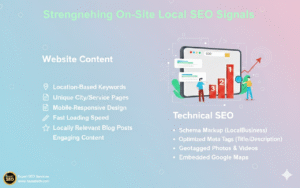
Use location-based keywords in title tags, meta descriptions, headers, and page content. Don’t overdo it. Clear headlines, service descriptions, and structured pages help users and search engines alike.
For businesses serving many areas, location-specific landing pages work exceptionally well. Each page should have unique content for that area. Avoid using the same text with just different city names. This approach improves rankings and conversion rates simultaneously.
User Experience and Website Foundations
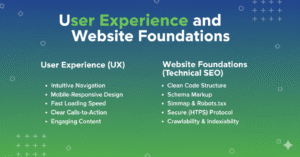
Local SEO performance is closely tied to user experience. A slow, confusing, or outdated website sends negative signals. When you launch a new site or improve an old one, structure and clarity are key.
A well-organized website lets users find information fast. It also helps search engines see what’s important. Looking at your site next to competitor websites can show problems. You might find cluttered navigation or unclear messaging. Small changes can make a big difference. A better layout, clearer calls to action, and faster load times can boost results.
Sometimes, companies choose to outsource design or development. This often happens when they have limited internal resources. A polished website makes a great first impression. It also boosts all your local SEO efforts.
Structured Data and Local SEO Authority
Structured data helps search engines interpret your business details with precision. Using LocalBusiness schema makes your address, hours, services, and contact info clearer. This can lead to enhanced search results and improved trust.
Citation management and structured data keep your listings accurate. This keeps your authority safe from outdated or wrong information that could harm it. Regular audits help identify inconsistencies and fix them before they affect rankings. Over time, this creates a strong, reliable digital footprint.
Content, Backlinks, and Community Connection
Local SEO thrives on relevance and relationships. Local content, like community updates, event recaps, and behind-the-scenes stories, helps build connections. It also sets you apart from others. This type of content resonates more than generic blog posts.
Backlinks remain important, especially when they come from local sources. Partnerships with local organizations, sponsorships, and features in local news outlets strengthen authority. Expert Off-Page SEO Services play a key role here. They help businesses earn high-quality backlinks and manage outreach effectively.
Local promotion also benefits from consistency. Using the Rule of 7 helps boost recognition. Combine organic visibility with targeted ads. Also, reinforce your message on Google, Facebook, and Instagram. This approach speeds up brand awareness. Over time, repeated exposure builds trust and action.
Bringing It All Together
To optimize a website for local SEO, focus on alignment. Ensure your website, business profiles, content, and reputation align with local search habits. It’s not a single tactic but a system built on relevance, accuracy, and trust.
When executed with precision, local SEO becomes manageable. It creates steady growth. This draws in local customers, boosts community presence, and provides lasting results. The right strategy, along with Expert Off-Page SEO Services, boosts local visibility. This leads to real, measurable business growth.